
Identifying Counterfeit Botox Products
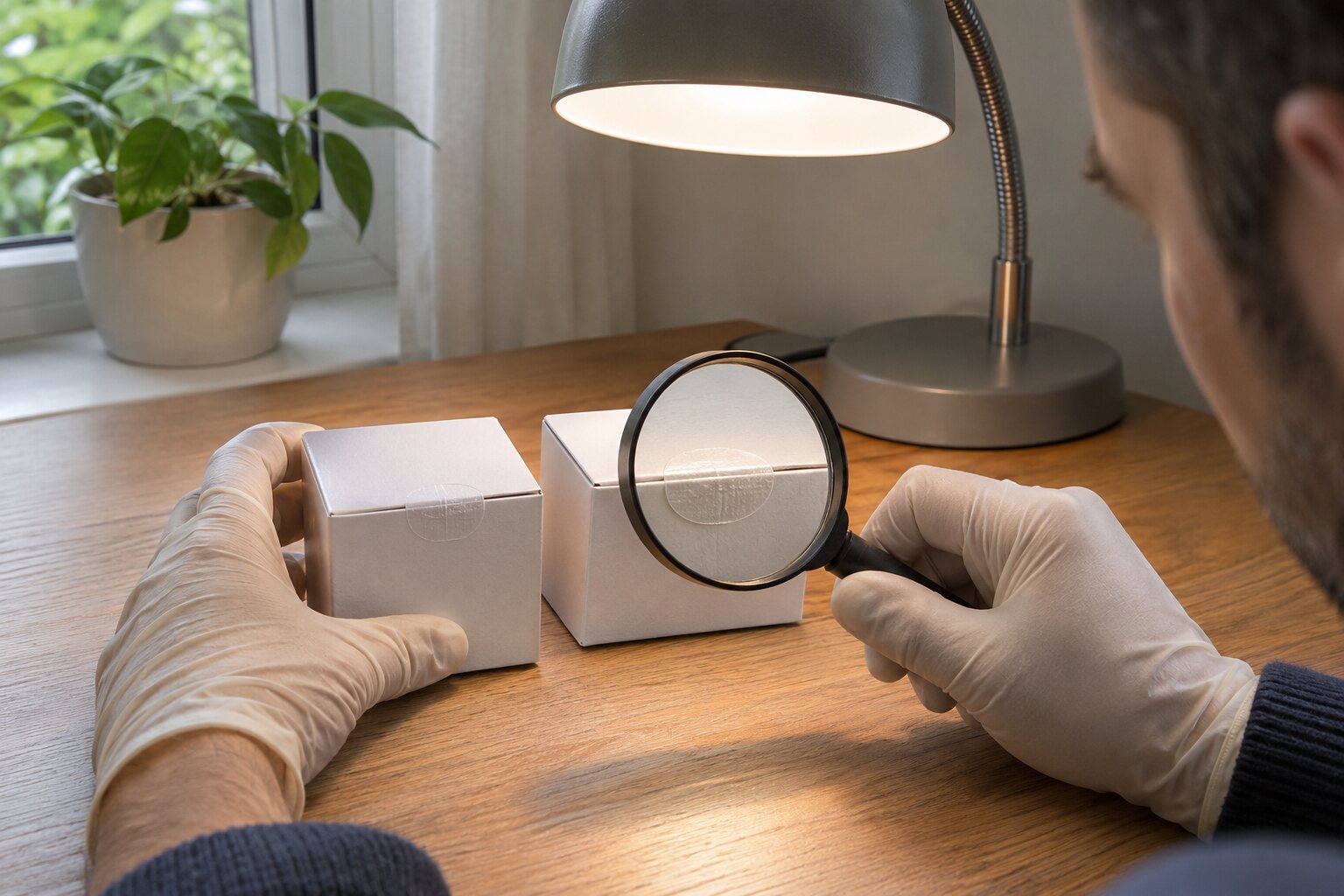
A counterfeit toxin is the clearest case of cutting corners costing more later. The product is not what was sold, and the cost shows up as a medical problem rather than a fading result.
What the regulator reported
In an alert dated April 16, 2024, the U.S. Food and Drug Administration said unsafe counterfeit versions of Botox (botulinum toxin) have been found in multiple states and administered to consumers for cosmetic purposes. The agency also said it is aware of adverse events, including hospitalizations, linked to the counterfeit Botox.
Why sourcing is the first check
The failure here starts before the injection, with the supply chain. A first question for patients near Rye is where a clinic buys its product, and the hub on botulinum toxin safety and sourcing collects the guidance that applies. The NHS publishes advice on choosing who will do your cosmetic procedure, which treats the provider's identity as part of the safety question.
What patient groups tell you to know
The American Academy of Dermatology answers common questions about the treatment in its botulinum toxin therapy FAQs. The American Society of Plastic Surgeons describes the treatment on its botulinum toxin page. Reading both before an appointment gives you a baseline for what an ordinary treatment looks like.
A practical recommendation
Ask the clinic to tell you, before you are injected, where the product was bought and whether the provider is licensed. If the answer is vague, treat that as the answer.