
Clinical Evidence for Microfocused Ultrasound
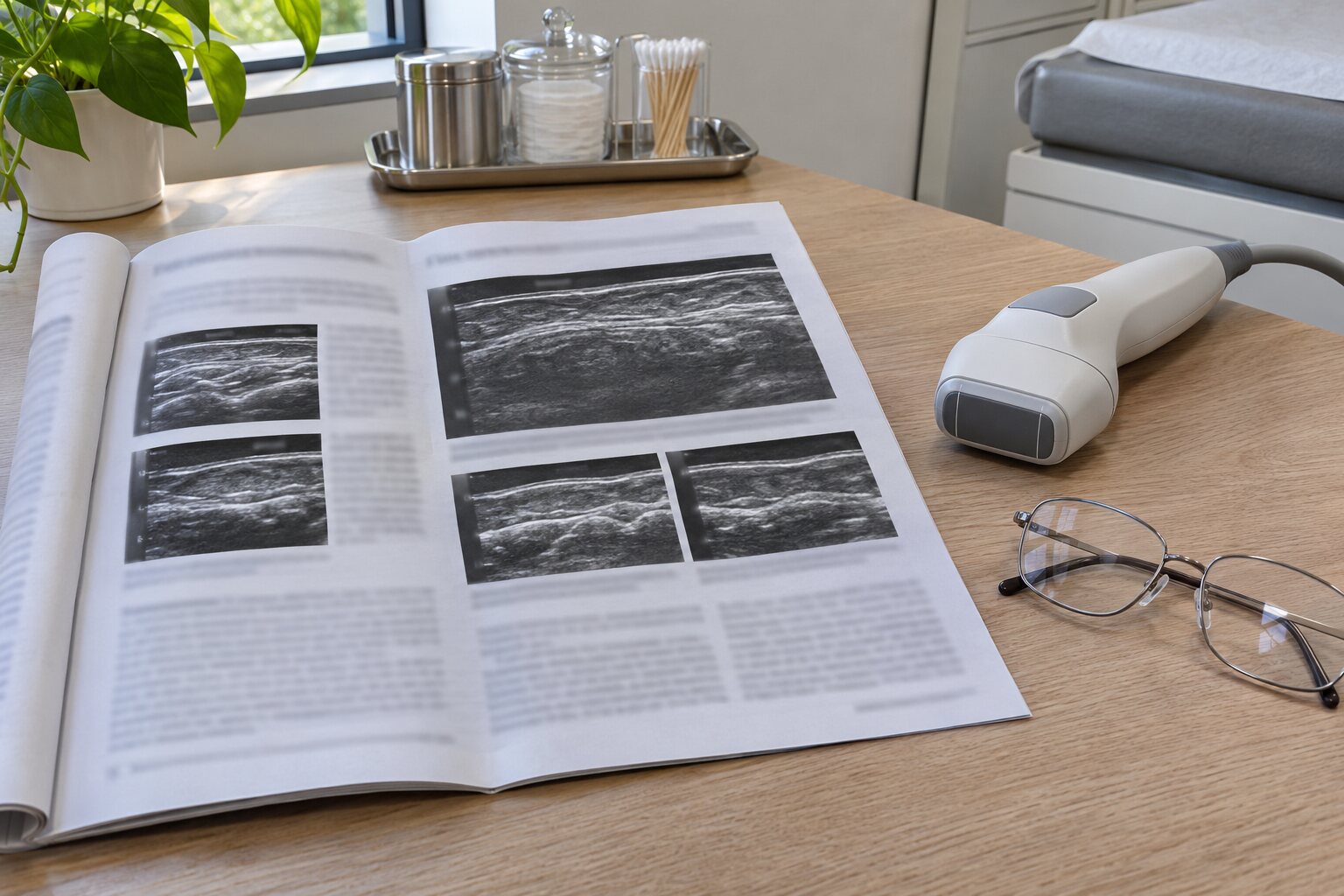
Skin tightening costs more than the first appointment if the result needs upkeep. For microfocused ultrasound (MFU), the useful questions are what the published studies actually measured and how long they followed patients.
What the evidence set out to measure
The outcome these studies follow is tighter facial skin after MFU treatment. PubMed Central carries a systematic review of facial skin tightening whose conclusions state that MFU treatment is effective in tightening female patients’ mildly to moderately lax facial skin.
Two details in that sentence limit how far it travels. It describes female patients, and it describes mild to moderate laxity. The full text is available as a systematic review of the efficacy of microfocused ultrasound for facial skin tightening.
Evidence comes in more than one form
A second review widens the question from tightening alone. It is titled as a systematic review of the clinical efficacy of micro-focused ultrasound treatment for skin rejuvenation and tightening, so its scope includes rejuvenation as well.
Reviews are one form. Patient-reported results are another, and a different kind of source answers a different question.
Satisfaction is not the same as durability
A retrospective cross-sectional study of patient satisfaction following MFU with visualization tells you how treated patients felt. Satisfaction is a useful measure, but it is a separate measure from how long tightened skin stays tightened.
That gap matters for cost. A result that needs repeat sessions costs more over time than a single session suggests.
What to ask before paying for a second session
A review of skin-tightening energy technologies and a Pan-Asian adaptation of an expert panel’s gold standard consensus frames treatment as customized to the patient. That is a reason to ask the clinic about your own case rather than an average one.
Before booking, ask three things:
- Does my degree of skin laxity match the patients in the studies you rely on, and how long were they followed?
- What follow-up sessions should I expect, and what does each one cost?
- How will we judge whether the result is holding before I pay for another session?